

Mesotherapy is a minimally invasive cosmetic procedure that has become increasingly popular in Pakistan, especially for treating skin pigmentation, melasma, signs of aging, hair loss, and even localized fat deposits. It involves injecting a combination of vitamins, enzymes, antioxidants, plant extracts, and medications into the middle layer of the skin (mesoderm).
This guide explores everything you need to know about mesotherapy in Pakistan, including how it works, its benefits, ingredients used, safety concerns, and availability in major cities like Islamabad.


Mesotherapy was first developed in France in 1952 by Dr. Michel Pistor. Initially, it was used to relieve pain and improve circulation, but over time, its cosmetic applications gained widespread attention.
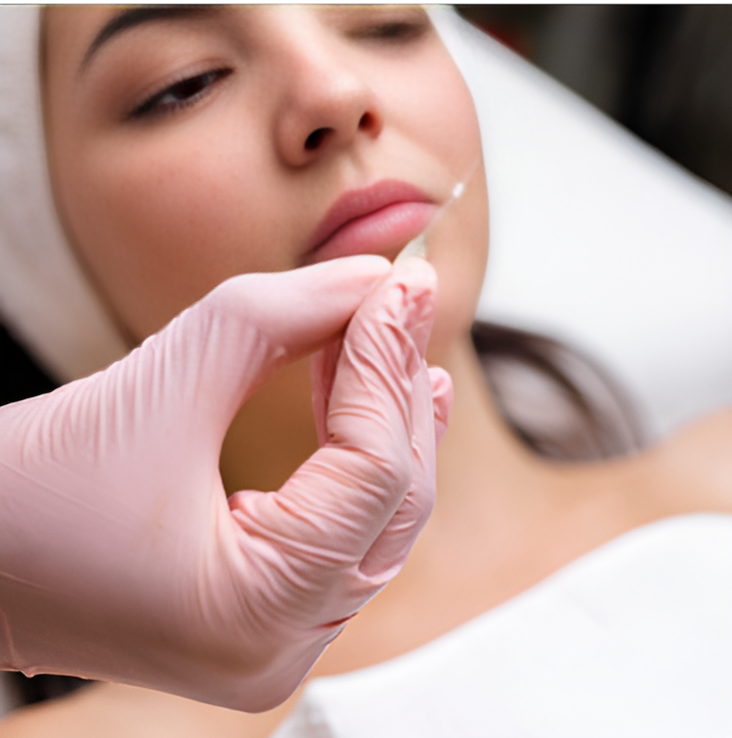
The treatment involves the use of microinjections containing tailored solutions depending on the condition being treated. These injections are delivered directly into the mesoderm, allowing active substances to reach target cells efficiently.
Types of Mesotherapy:


Mesotherapy has versatile applications, ranging from aesthetic enhancement to clinical dermatological treatment. Below are the most commonly addressed concerns in Pakistan:
Mesotherapy promotes skin rejuvenation by:
1: Stimulating collagen and elastin production.
2: Increasing cell metabolism and blood flow.
3: Improving skin firmness, tone, and hydration.
This makes it ideal for individuals in their late 20s to 50s looking to refresh their skin non-surgically.
How Mesotherapy Helps:
1: Kojic acid, tranexamic acid, and glutathione are often used to reduce melanin production.
2: Antioxidants in mesotherapy reduce oxidative stress, a known contributor to melasma.
3: It can be used alongside topical treatments or peels for better outcomes.
Dry and dehydrated skin is a widespread issue in Pakistan, particularly due to climate and environmental factors. Mesotherapy directly infuses:
1: Hyaluronic acid (for hydration).
2: Vitamin C and E (for antioxidant protection).
3: B-complex vitamins (for cellular repair).
These ingredients work at a deeper level than topical moisturizers.
For people dealing with acne scars or uneven skin texture, mesotherapy can be beneficial due to:
1: Its ability to stimulate tissue remodeling.
2: The use of peptides and growth factors for cellular regeneration.
3: Improved collagen formation, reducing the appearance of mild scars and stretch marks.
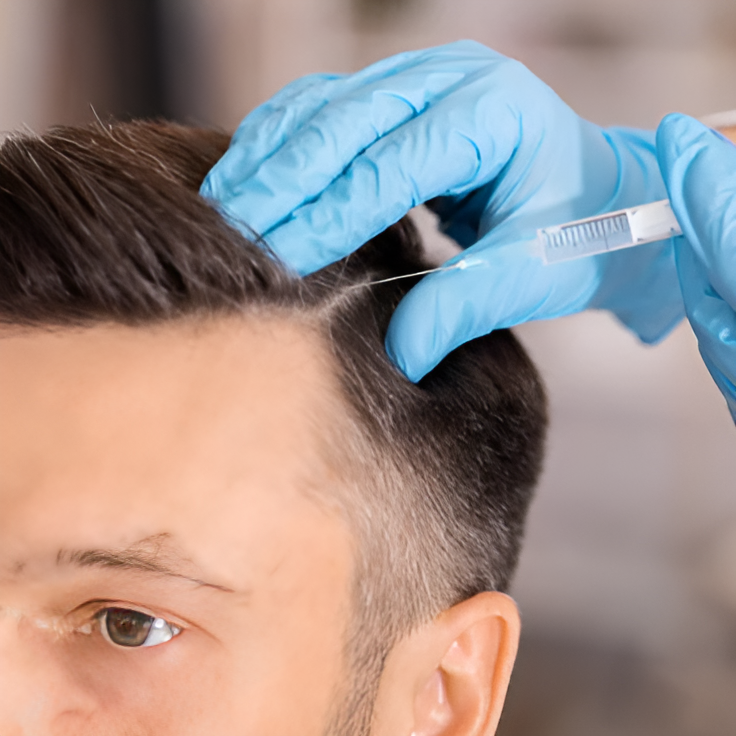
Mesotherapy for alopecia is gaining popularity in Pakistan. It involves injecting the scalp with nutrients that:
1: Stimulate dormant hair follicles.
2; Improve blood circulation to the scalp.
3: Slow down hair thinning.
It is typically recommended for androgenetic alopecia or early-stage hair loss.
Mesotherapy can also aid in body contouring by targeting stubborn fat deposits. It uses lipolytic enzymes and plant extracts to:
1: Break down fat cells (lipolysis).
2: Improve lymphatic drainage.
3: Tighten the skin in the treated area.
Unlike surgical liposuction, mesotherapy has no downtime and fewer risks.
The effectiveness of mesotherapy depends heavily on the ingredients used. These are usually chosen based on the treatment goal:
Treatment Timeline:
Improvements Noted:
Before starting, a patch test or skin consultation is typically conducted to ensure safety.

Mesotherapy is generally considered safe, but like any cosmetic procedure, it carries some risks:
Common Side Effects:
Rare Side Effects:
Mesotherapy can be used to address a wide range of issues, including:
Yes, mesotherapy is generally safe for all skin types, including darker skin tones (Fitzpatrick III–V), which are common in Pakistan. However, a patch test and professional consultation are recommended to minimize any allergic reactions or sensitivities.
Typically, 4 to 6 sessions are recommended for visible results, spaced 1 to 2 weeks apart. Maintenance sessions may be needed every few months depending on the condition being treated.
Mesotherapy involves very fine needles, so discomfort is minimal. Most clinics apply a numbing cream before the procedure. Some patients report a mild stinging sensation, which usually subsides quickly.
Mesotherapy cocktails are customized and may include:
Yes. Mesotherapy is widely used in Pakistan for melasma treatment, especially in Islamabad where specialized clinics tailor formulations using agents like Kojic acid and tranexamic acid to reduce pigmentation and prevent recurrence.
Common side effects include:
These effects are temporary and typically resolve within 24 to 72 hours. Rare side effects include infections or allergic reactions, usually when safety protocols are not followed.
Yes. Mesotherapy for hair restoration is used to treat various forms of alopecia and hair thinning by injecting nutrients directly into the scalp to stimulate hair follicles.
Mesotherapy offers:
It is often used in combination with other treatments for better results.
No. While results can be long-lasting, they are not permanent. Maintenance sessions are usually recommended every 3–6 months to sustain benefits, especially for chronic issues like melasma or ongoing hair thinning.
Mesotherapy is most commonly offered in larger cities like Islamabad and Rawalpindi. Availability in smaller towns may be limited, so patients often travel to urban clinics for advanced procedures.
No. Mesotherapy is not recommended during pregnancy or breastfeeding due to the potential risks of ingredient absorption and hormonal sensitivity.
Yes. It is strongly recommended to undergo mesotherapy under the supervision of a certified dermatologist or trained medical professional. This ensures proper technique, ingredient safety, and reduced risk of complications.